
National School Counseling Week, observed from Monday, Feb. 2 through Friday, Feb. 6 this year, highlights the vital role school counselors play in supporting students' academic, social, and emotional growth. This week is an opportunity to recognize the dedication and impact of school counselors who work tirelessly to guide, advocate, and empower students to reach their full potential. It also serves as a reminder of the importance of providing students with the resources, encouragement, and support they need to navigate their educational journey.
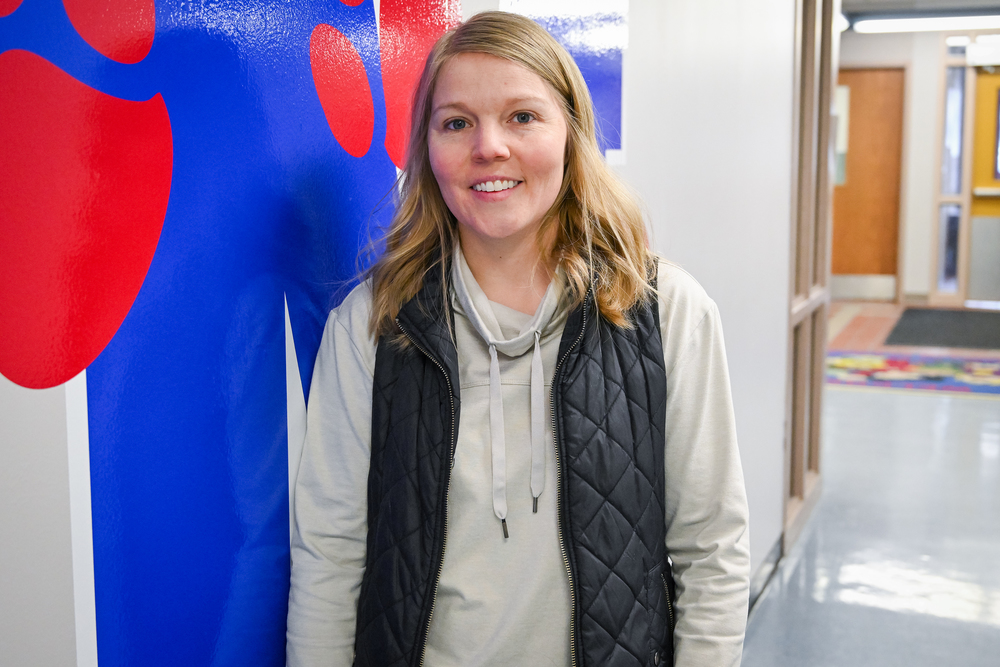
In honor of National School Counseling Week, we are spotlighting several of our school counselors and the invaluable work they do. Dani Minkel, a school counselor at Franklin Elementary School, is one of many dedicated professionals who work tirelessly to create a positive and welcoming school environment where students feel heard, supported, and prepared for success.
Learn more about her experiences and insights by reading Minkel's responses to the following Q&A:
What inspired you to pursue a career in school counseling?
I was inspired to pursue a career working directly with youth because of my own experiences growing up. Having supportive adults in my life made a lasting impact on me and I wanted to be that same source of support for others. I originally thought I wanted a career in Mental Health Counseling, but quickly realized I could make a larger impact if I saw students on a daily basis in a real-life setting such as a school. Being a school counselor allows me to build strong relationships with students and families, help them appropriately navigate challenges and hopefully, achieve the success they desire.
How do MCSD’s programs or resources support your efforts to help students thrive?
MCSD hosts a spectrum of resources that allow me to meet the various needs of all students. Our district truly supports learners at all levels: Whether it's our universal social and emotional learning curriculum that all students participate in, access to intervention programs for students who need group support, or individualized behavioral services from school and community-agency personnel, we truly offer it all. These resources, in addition to the strong team of educators, support staff and administrators, help create environments where all students can thrive.
What makes Marshalltown’s approach to counseling unique?
It may be hard to remember now, but just a few years ago our elementary students received core social and emotional learning instruction only once every six cycle days. Through strong leadership within the counseling department and a collaborative partnership with Central Office, we were able to completely redesign how this instruction is delivered. Today, students receive daily social-emotional learning through a hybrid model taught by both classroom teachers and school counselors - an approach that is uncommon in many districts. By allowing student needs to drive our decisions and being willing to pilot innovative approaches, we have created a more consistent, meaningful, and forward-thinking counseling program that truly sets our district apart.
What do you find most rewarding about serving students and families in MCSD?
That answer is easy—the connections. My work is built on strong relationships with students, families, and colleagues. Without those relationships in place, the rest of the work would not be successful. Serving in MCSD has allowed me to build many new connections, and as someone who grew up in Marshalltown, it has also given me the meaningful opportunity to rekindle long-standing relationships. Being able to support students and families in the same community that helped shape me is incredibly rewarding.
What’s the most rewarding part of being a counselor?
The most rewarding, yet bittersweet, part of being a school counselor is knowing that my support has helped students and families reach a point where they no longer need my services outside of counseling class. It is a reminder that they have gained the skills and confidence to navigate challenges independently. Although I always enjoy watching students shine from a distance, it is especially meaningful to see them apply what they have learned, advocate for themselves, and succeed on their own.
What does it mean to you to Embrace The Lead?
To me, Embrace the Lead means doing what is right, even when it is difficult; being proactive rather than reactive; and intentionally fostering a sense of leadership in all staff and students. It is about helping everyone understand that they have the power to lead, regardless of how big or small the situation may be. Ultimately, embracing the lead is about inspiring others to believe in themselves and use their powerful abilities to better the lives of those around them.